
My 7-step Design Process
Every designer follows a unique design process when working on a project. While the high-level nature of these projects may vary, there is a standard three-step design process that involves understanding, exploring, and materializing. However, the specific steps within these broad categories may differ depending on the project's nature and the individual's approach.
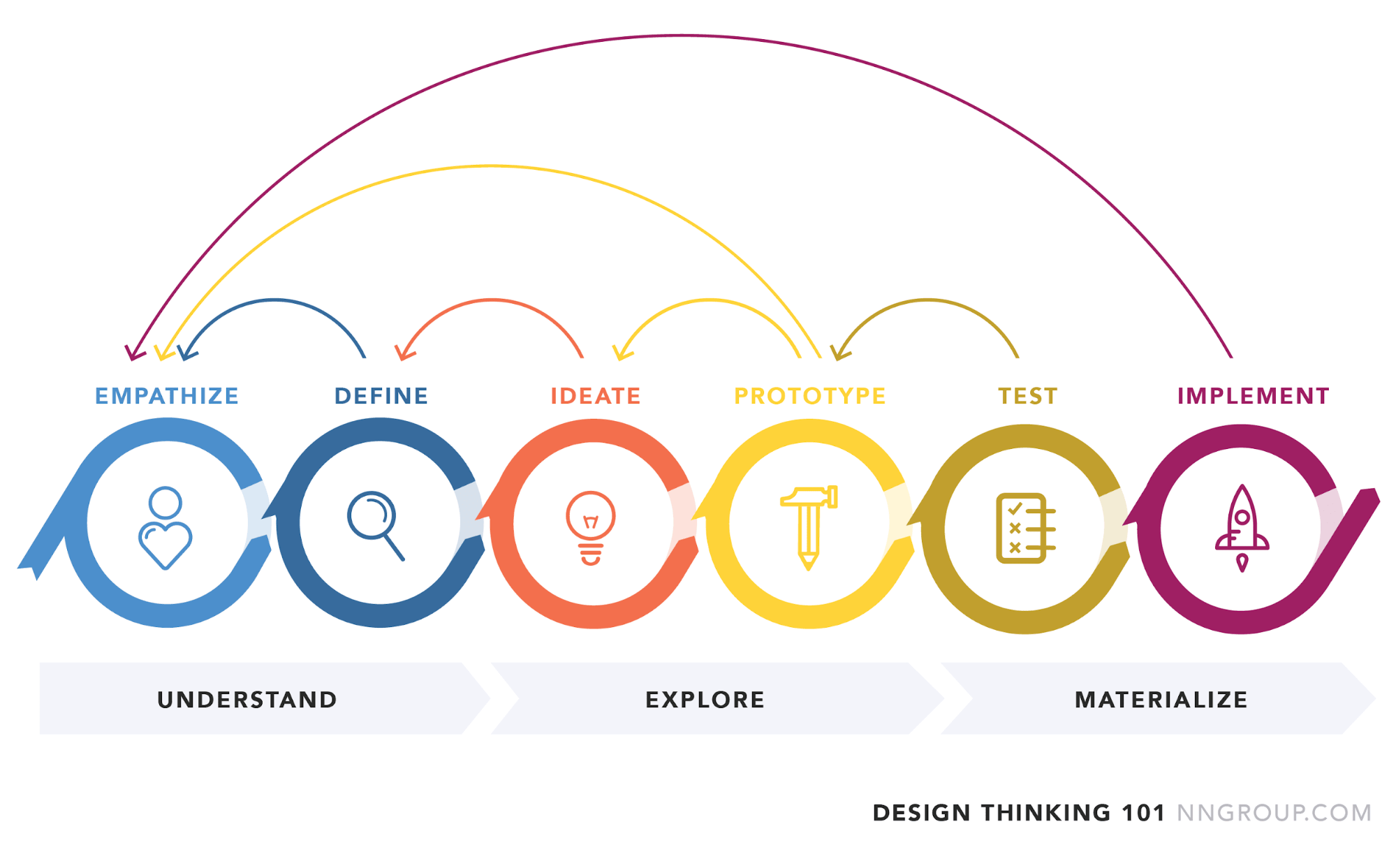
My design process consists of seven crucial steps, starting with Framing the Problem and concluding with Improvising based on the collected feedback after testing the solution.
Problem Framing: This step involves preliminary research to understand the problem to be solved, leading to a realized hypothesis. Deeper research is then conducted to validate the need for solving that specific problem or to gain clarity on the direction to follow.
Ideation: This step includes brainstorming various ways to optimally solve the problem, which ultimately leads to ideating the solution. Methodologies such as co-designing, facilitation, empathy, and agile development often prove helpful during this stage.
Prototyping: At this stage, the best ideas are executed and experimented with to quickly gauge user preferences and evaluate the product-market fit before launching the product.
Testing: During this step, one optimal solution is tested with the intended users through a pilot survey-based testing process. This allows for understanding potential failures or loopholes in the solution and validates whether the original designer's intent is perceived as intended.
Refinement: Based on highly relevant and applicable feedback from the testing phase, the solution is refined or modified. Sometimes, the designer may need to revisit the problem framing stage to validate the feedback and determine if the realized changes are required based on the initial research.
Implementation: At this point, the solution is finally made accessible to its intended users in the market, not only to solve the originally realized problems but also to cater to other relevant categories.
Improvisation: This is an ongoing process, which is why we often see products in the market undergoing different versions over time. It is a crucial stage that helps designers adapt to changing user needs and assists businesses in understanding the product demand to formulate future goals.
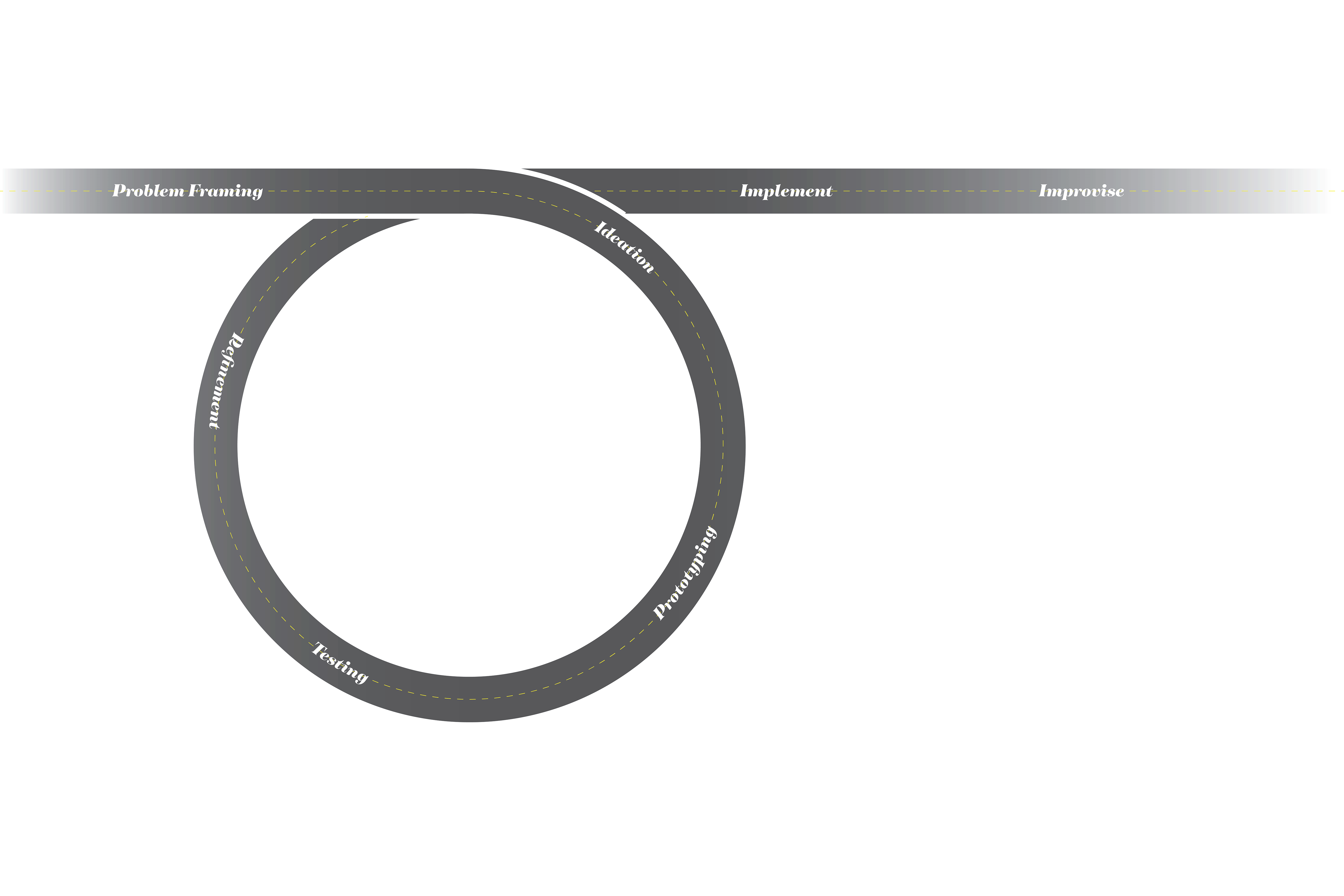
Following this design process allows me to create solutions that effectively address the identified problems while ensuring a smooth and iterative journey from ideation to implementation. Each step builds upon the previous one, allowing for continuous refinement and improvement. Ultimately, this process enables me to deliver well-crafted, user-centric designs that resonate with the intended audience and drive meaningful impact.
Thanks for viewing.
Hope you enjoyed it!